


A well-designed space is more than a collection of beautiful furniture, colors, and finishes. It should reflect the people who use it, support their everyday routines, and create an environment that feels both functional and personal. Thoughtful interior design brings these elements together to transform ordinary rooms into spaces that truly feel like home.
Understanding Your Style and Needs
Every client has different preferences, priorities, and ways of using a space. Some homeowners may want a calm and comfortable living environment, while others may need a more practical layout for a growing family or a productive home office.
A personalized design process begins by understanding these requirements. By discussing lifestyle, aesthetic preferences, functionality, and budget, designers can develop concepts that are aligned with the client's expectations rather than relying on one-size-fits-all solutions.
Balancing Beauty With Functionality
Great interior design should look impressive while remaining practical. A visually appealing room is much more valuable when its layout, furniture, lighting, storage, and materials work naturally together.
Designers can carefully consider movement through a room, available storage, natural light, furniture placement, and everyday activities. This approach creates spaces that are not only attractive but also comfortable and easy to use.
Turning Ideas Into a Clear Design Plan
The design process can involve many decisions, from selecting colors and materials to choosing furniture, lighting, flooring, and decorative elements. Without proper planning, these choices can quickly become overwhelming.
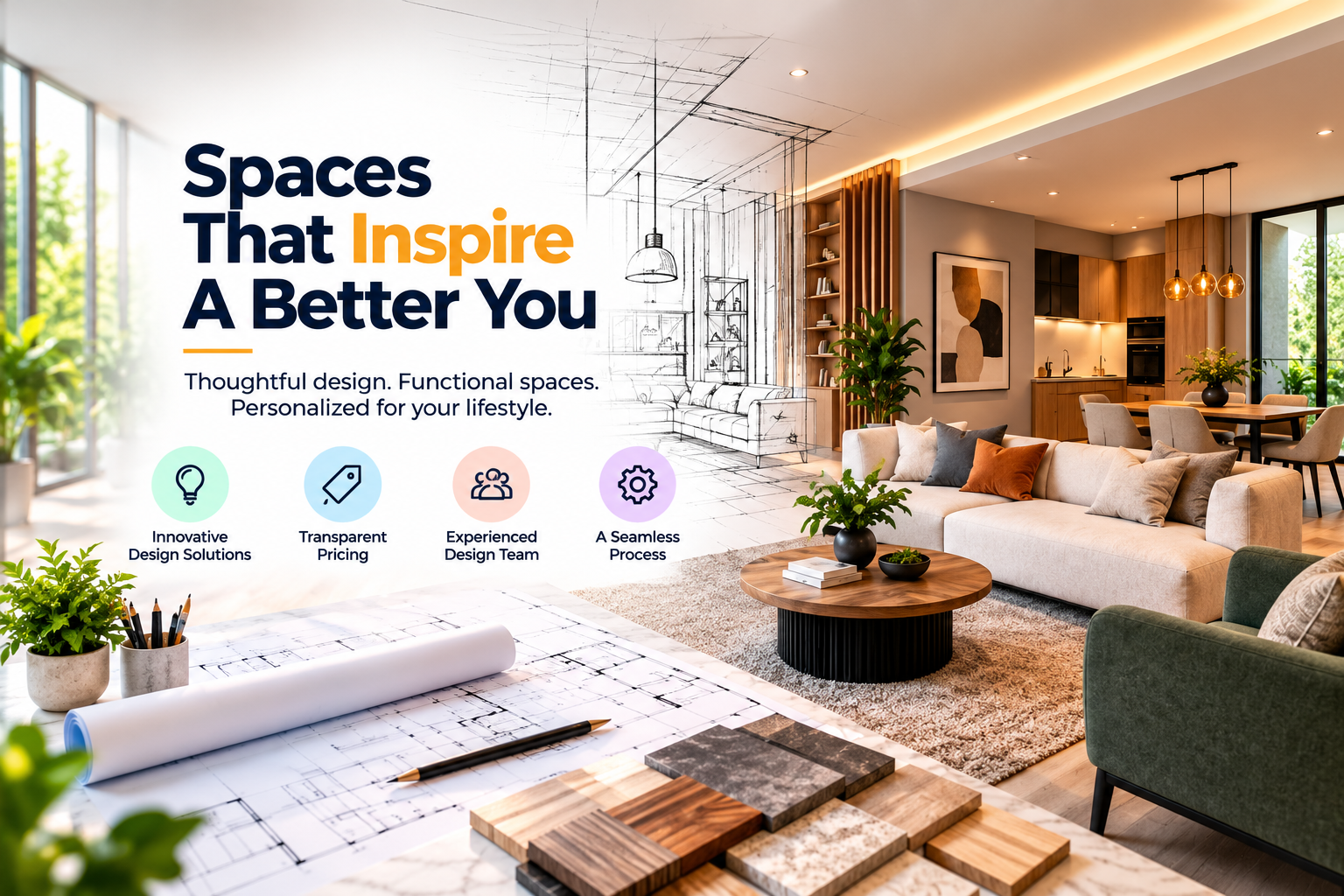
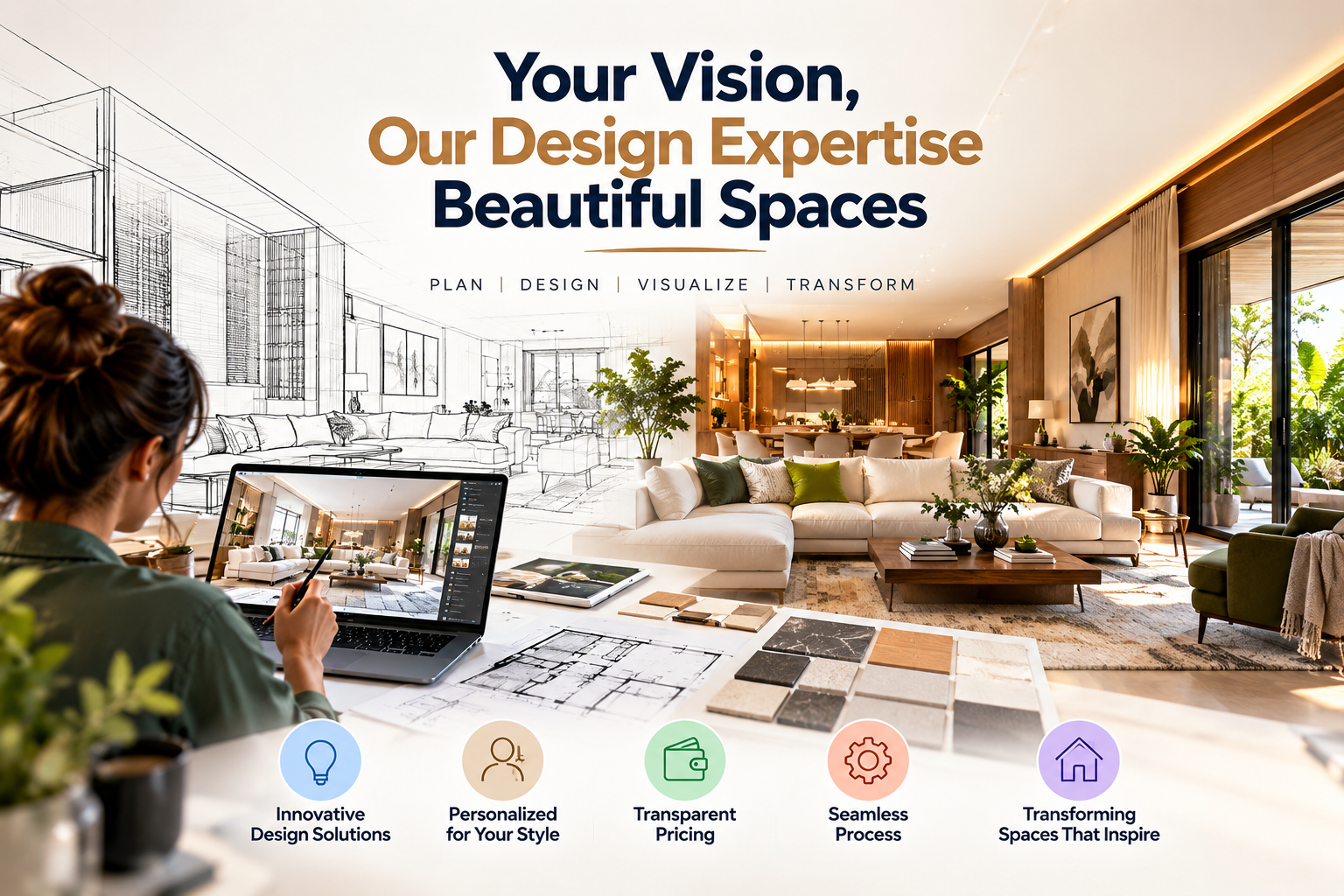
Mood boards, floor plans, material samples, and visual concepts help clients understand how individual elements will work together. A clear design plan also makes it easier to review ideas, make adjustments, and move confidently toward the final result.
Creating Personalized Interiors
Personalization is what makes an interior feel distinctive. Instead of simply following current trends, designers can combine contemporary ideas with elements that reflect the client's personality.
Textures, colors, artwork, furniture, finishes, and lighting can all contribute to the character of a space. The goal is to create an environment that feels intentional while remaining timeless enough to work for years to come.
Transparent Planning and Budgeting
A successful design experience also depends on clear communication. Understanding project costs, materials, timelines, and design decisions from the beginning can help reduce uncertainty throughout the project.
Transparent pricing and organized planning allow clients to make informed choices while keeping the project aligned with their priorities. This creates a smoother experience from the initial consultation through implementation.
From Concept to Completion
Interior transformation requires coordination between design ideas and real-world execution. Once the concept is finalized, the selected materials, furniture, finishes, and layouts need to come together accurately.
Working through a structured design process helps maintain consistency between the original vision and the completed space. Regular communication and attention to detail can help ensure that the final environment delivers both the desired appearance and functionality.
Designing Better Homes and Workspaces
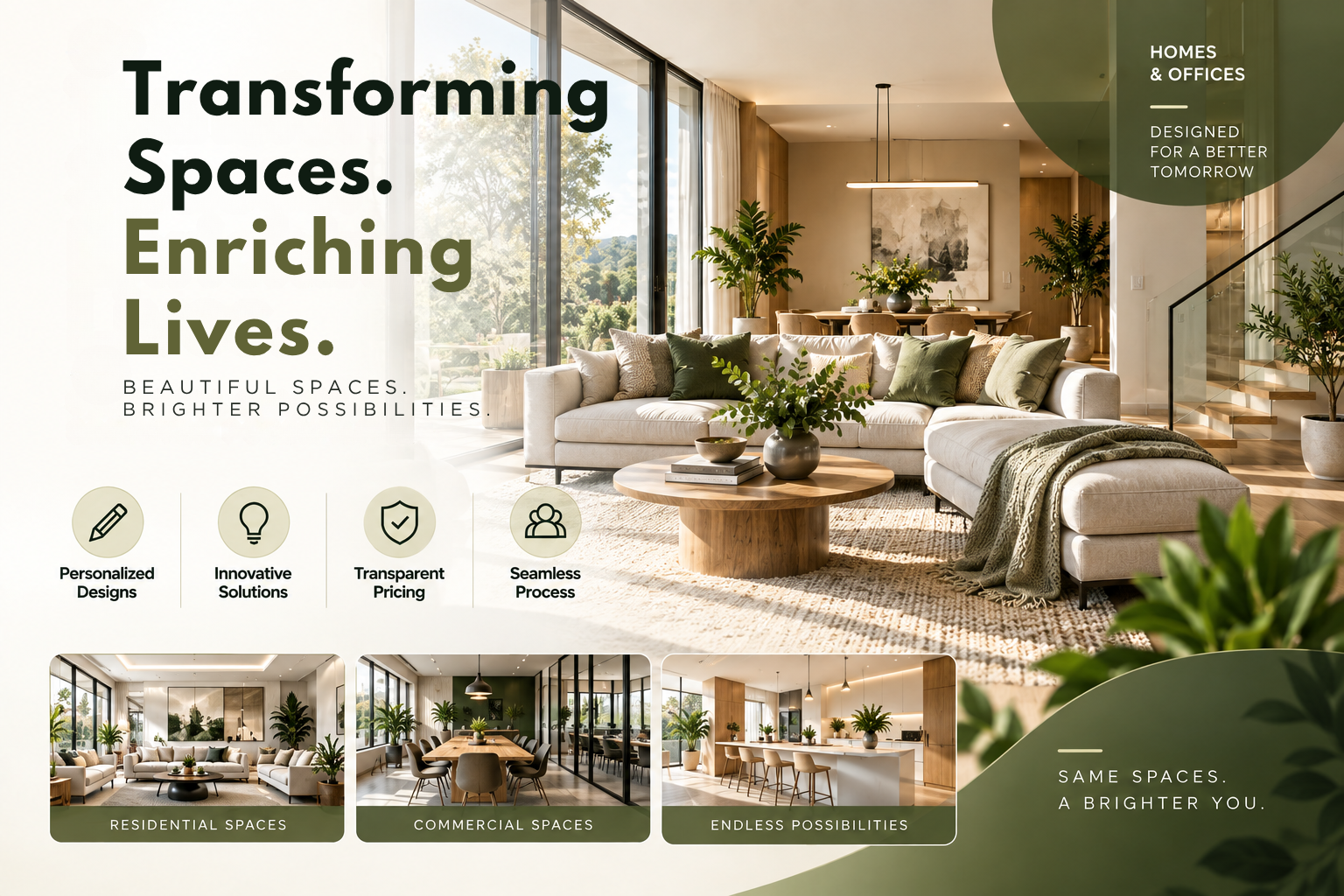
Whether it is a home renovation, a new living area, or an office transformation, thoughtful interior design can have a meaningful impact on how people experience a space. The right combination of creativity, functionality, planning, and collaboration can turn an ordinary environment into one that feels purposeful and personal.
The best spaces are not simply designed to look beautiful—they are designed around the people who live and work in them. By combining personalized ideas with practical planning and transparent execution, professional interior design can create environments that feel comfortable, functional, and uniquely yours.

Leave a reply