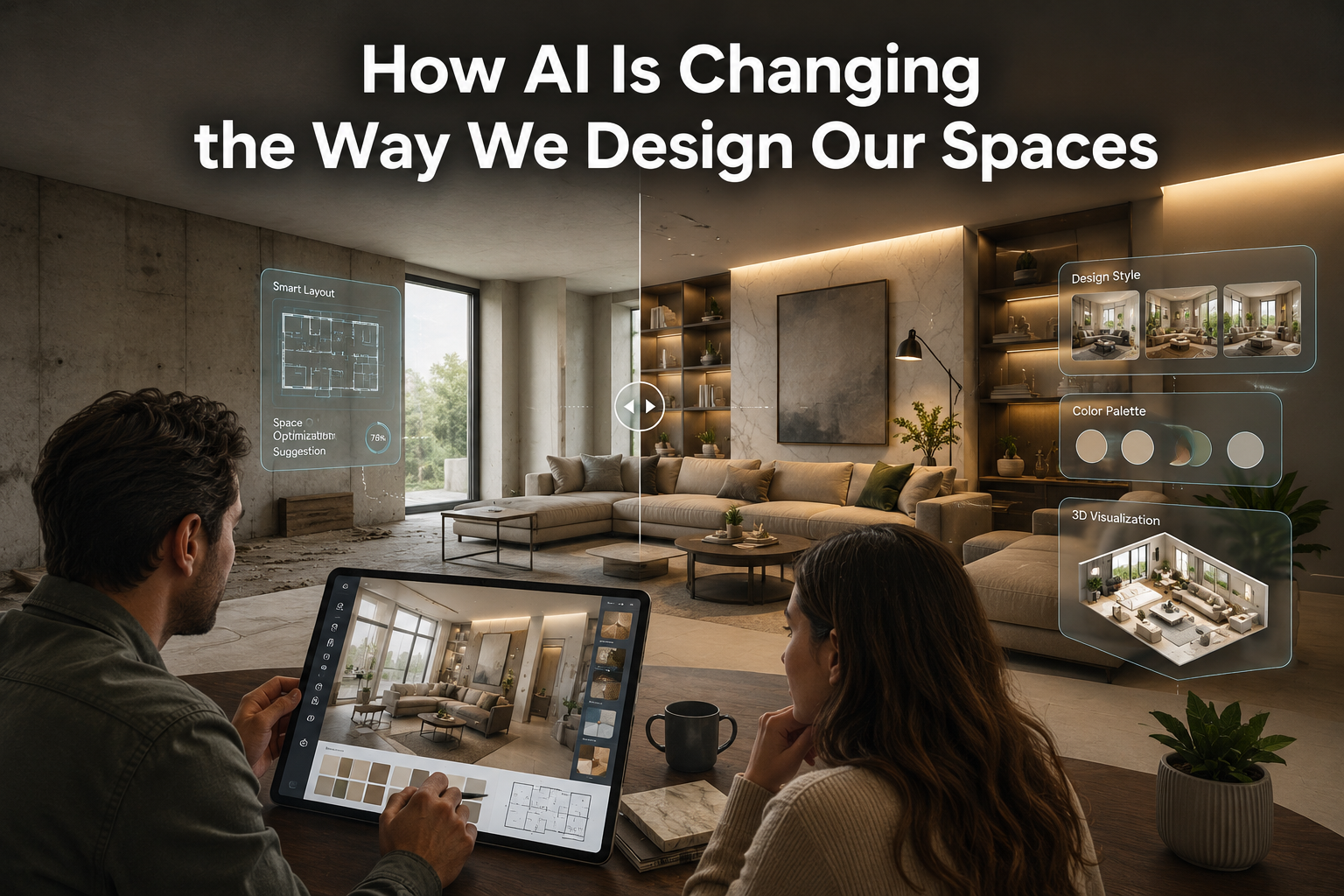


Interior design has always been about turning ideas into spaces that feel comfortable, practical, and personal. Today, technology is making that process easier by helping homeowners, designers, and property professionals visualize ideas before making major decisions. AI-powered interior design is becoming a useful tool for exploring layouts, styles, colors, furniture arrangements, and different design possibilities. Instead of trying to imagine how a finished room might look, people can explore concepts visually and make decisions with greater confidence.
From Ideas to Visual Inspiration
One of the biggest challenges in interior design is knowing whether an idea will actually work in a real space. A particular color may look different depending on lighting, while furniture placement can completely change how a room feels.
AI-powered design tools can help users explore different possibilities before committing to a final direction. This makes the early design stage more visual, interactive, and engaging.
Personalized Design for Every Home
Every home is different, and so is every homeowner. People have different lifestyles, preferences, budgets, and practical requirements.
AI can support personalized design by helping users explore styles that match their needs. Whether someone prefers modern minimalism, warm neutrals, contemporary interiors, or a more expressive look, technology can make it easier to compare different ideas.
Personalization remains an important part of Spacia’s approach, with design solutions created around individual preferences and requirements.
Making Better Use of Available Space
Good interior design is not simply about choosing beautiful furniture. It is also about making the best use of the space available.
AI-assisted planning can help users explore different layouts and understand how furniture, storage, lighting, and other elements may work together. This can be particularly useful for apartments, compact rooms, home offices, and multifunctional spaces.
The result is a space that feels more organized while still reflecting the owner's personal style.
Visualizing Before You Build
One of the most valuable benefits of digital interior design is visualization.
Before purchasing furniture, selecting finishes, or starting a renovation, homeowners can explore different concepts and get a clearer idea of the final result. This can make conversations between clients and designers more productive and reduce uncertainty during the planning process.
Spacia also offers AI-based room visualization that allows users to upload a photo and explore different design styles.
Technology Meets Human Creativity
AI does not replace the creativity and experience of professional designers. Instead, it can give designers and clients better tools for exploring ideas.
Designers can spend more time understanding a client's vision, refining concepts, and making creative decisions, while technology can help with visualization, comparisons, and early-stage planning.
This combination of human creativity and technology can create a more efficient design experience.
A More Transparent Design Journey
Interior projects can sometimes feel complicated because they involve many decisions, timelines, materials, and costs.
A clear design process helps clients understand what is happening at each stage. Spacia focuses on personalized proposals, transparent pricing, project management, and professional execution to create a more organized journey from the initial idea to the completed space.
Designing Homes and Workspaces for Modern Life
AI and digital tools are useful for more than residential interiors. Businesses are also looking for workspaces that support collaboration, productivity, comfort, and employee wellbeing.
A well-planned office can influence how people communicate and work, while a thoughtfully designed home can improve comfort and everyday routines.
Modern interior design is therefore becoming more focused on how people actually experience a space, not just how it looks.
The Future of Interior Design
The future of interior design will likely bring even more intelligent visualization, digital collaboration, 3D experiences, and personalized recommendations.
As these technologies develop, homeowners and designers will have more opportunities to experiment with ideas before turning them into physical spaces.
The goal is not to make design more complicated. It is to make the journey from an idea to a finished space easier, clearer, and more enjoyable.
Conclusion
Interior design is becoming more visual, personalized, and technology-driven. AI-powered interior design gives homeowners and professionals new ways to explore ideas, visualize possibilities, and make more confident decisions.
For Spacia Inc., technology is another way to make the design journey more accessible and engaging while keeping personalization and human creativity at the center.
The best spaces are not simply beautiful. They are designed around the people who live and work in them—and technology can help bring that vision to life.
Leave a reply