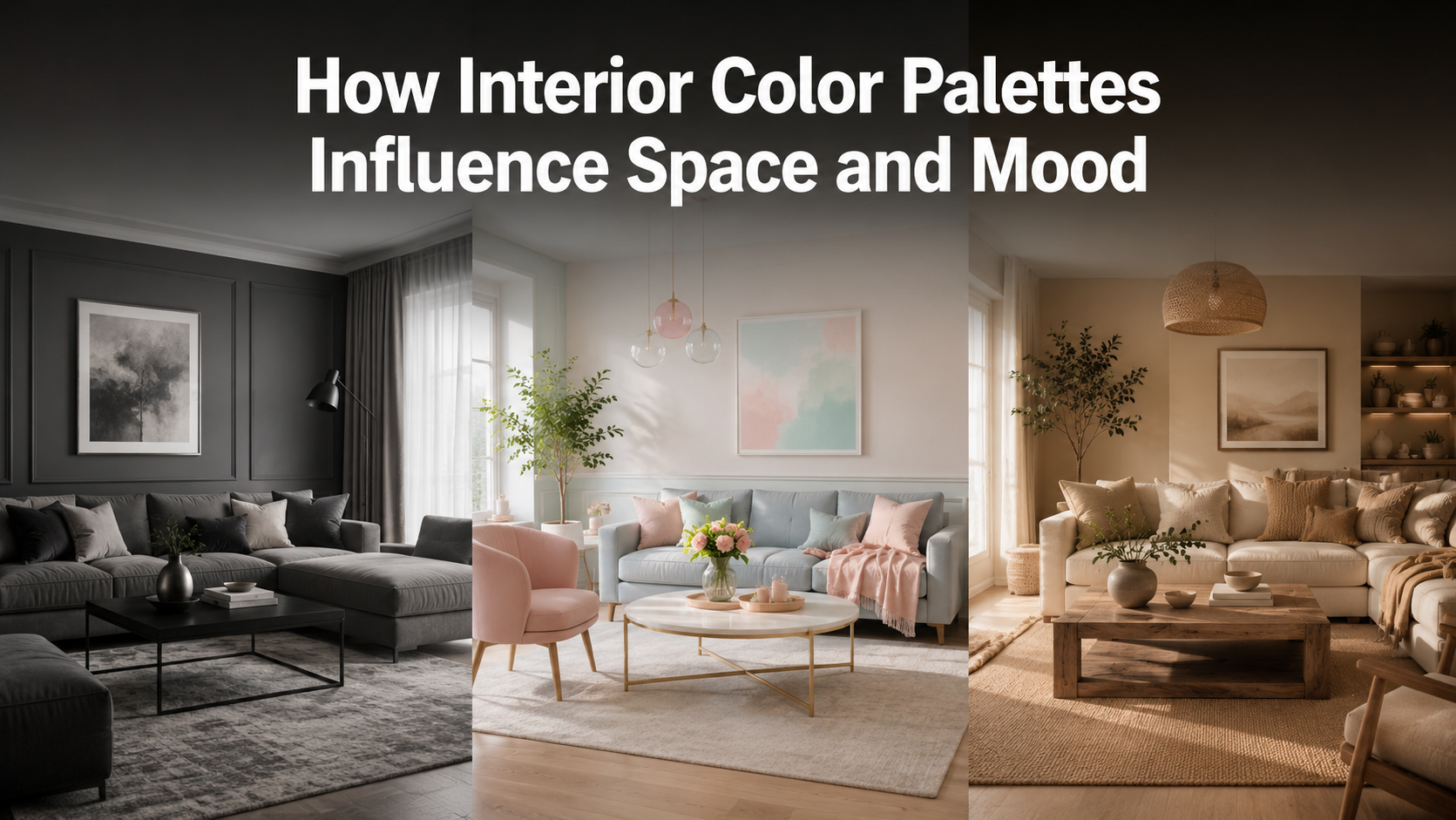


Interior design is about more than furniture and décor—it’s about creating environments that influence how people feel and interact with a space. One of the most powerful design elements is color. The colors chosen for walls, furnishings, and accents can dramatically impact mood, perception, and the overall atmosphere of a room.
Thoughtfully selected interior color palettes help create spaces that feel welcoming, relaxing, energizing, or sophisticated, depending on the desired purpose and experience.
The Psychology of Color in Interior Design
Colors have a direct influence on emotions and behavior. Different shades can evoke different psychological responses, making color selection a crucial part of interior planning.
Warm colors such as soft reds, oranges, and yellows often create feelings of comfort, energy, and sociability. Cooler tones like blues and greens are associated with calmness, focus, and relaxation. Neutral palettes provide versatility and balance while supporting a timeless aesthetic.
Understanding color psychology allows designers to create environments that align with the function of each space.
Making Spaces Feel Larger or Smaller
Color plays a significant role in how people perceive the size of a room.
Lighter colors reflect more natural light, making spaces feel larger, brighter, and more open. This makes them ideal for smaller rooms or areas with limited natural light. Darker colors absorb light and can create a cozy, intimate atmosphere, adding depth and character to larger spaces.
Strategic color choices help optimize both comfort and visual appeal.
Creating the Desired Mood
Every room serves a unique purpose, and color palettes should support that function.
Living rooms often benefit from warm neutrals and inviting earth tones that encourage relaxation and conversation. Bedrooms typically use soft blues, greens, and muted tones that promote rest and tranquility. Workspaces may incorporate colors that improve focus, creativity, and productivity.
Matching color palettes to lifestyle needs enhances the overall living experience.
The Impact of Natural and Artificial Lighting
Lighting significantly affects how colors appear throughout the day.
Natural sunlight can brighten colors and reveal subtle undertones, while artificial lighting may alter a room’s overall color perception. Before finalizing a palette, it is important to evaluate how colors perform under different lighting conditions.
This ensures consistency and helps achieve the intended design outcome.
Balancing Contrast and Harmony
A successful interior palette combines balance, contrast, and visual harmony.
Accent colors add personality and visual interest, while complementary tones create cohesion throughout the space. Layering multiple shades within the same color family can introduce depth without overwhelming the room.
Professional designers often use carefully curated palettes to achieve a refined and cohesive aesthetic.
Supporting Wellness Through Design
Interior environments can have a significant impact on mental well-being.
Calming colors can reduce stress and create a sense of comfort, while uplifting shades can enhance energy and positivity. As wellness-focused design continues to grow in popularity, color selection has become an important tool for improving overall quality of life within residential and commercial spaces.
Thoughtful color planning contributes to healthier and more enjoyable environments.
The Future of Color-Driven Interior Design
Modern design trends increasingly focus on personalization and emotional connection.
Homeowners and businesses are moving beyond generic color schemes and embracing palettes that reflect their personality, lifestyle, and brand identity. Digital visualization tools and design technologies now make it easier than ever to explore color combinations and confidently make design decisions before implementation.
These innovations are helping transform interior design into a more personalized and collaborative process.
Conclusion
Interior color palettes have the power to influence mood, perception, comfort, and functionality. From creating relaxing retreats to energizing workspaces, the right colors can dramatically transform how a space feels and performs.
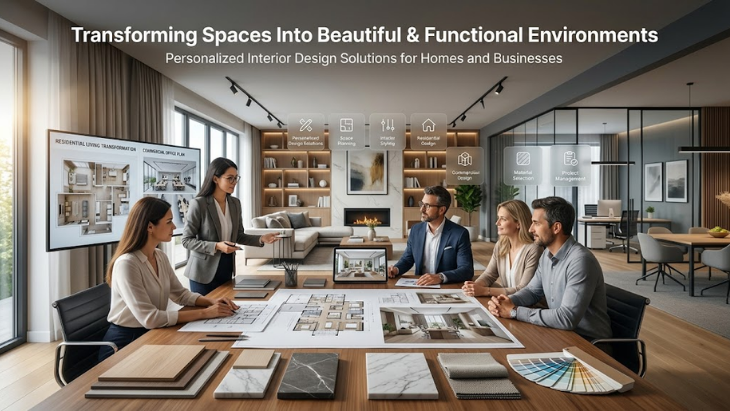
Spacia helps clients create beautiful, functional environments through thoughtful design strategies, personalized color planning, and innovative interior solutions that bring every space to life.


Leave a reply