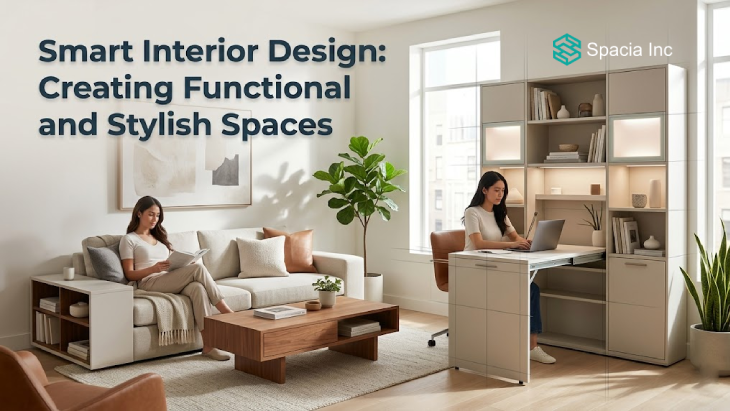



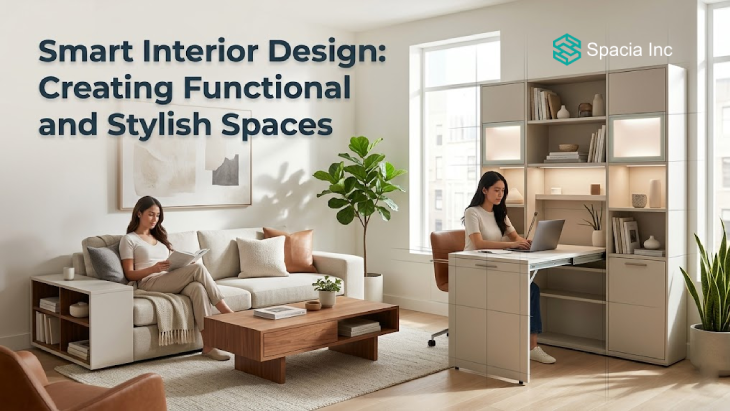
Interior design today is evolving beyond aesthetics. It is no longer just about how a space looks, but how it functions and adapts to everyday life. A well-designed space should not only be visually appealing but also practical, efficient, and comfortable.
Smart interior design focuses on creating spaces that balance style with usability, ensuring that every element serves a purpose.
The Shift Toward Functional Design
Modern lifestyles demand spaces that are flexible and efficient. Homes are no longer just places to relax — they are also workspaces, entertainment zones, and personal retreats.
This shift has made functionality a key aspect of interior design. Every corner of a space is now thoughtfully planned to maximize usability without compromising on aesthetics.
Designing for Everyday Living
A well-designed space supports daily activities effortlessly. From furniture placement to lighting choices, every detail contributes to convenience and comfort.
Functional design ensures that movement within a space is smooth, storage is optimized, and essential elements are easily accessible. This creates an environment that feels natural and easy to live in.
The Role of Space Optimization
Space optimization is one of the most important aspects of modern interior design, especially in urban environments where space is limited.
Designers focus on using smart layouts, multi-functional furniture, and creative storage solutions to make the most of available space. This allows even small areas to feel open, organized, and comfortable.
Blending Style with Practicality
A successful interior design strikes the perfect balance between beauty and function. While aesthetics create visual appeal, functionality ensures long-term usability.
Modern design trends emphasize clean lines, minimal clutter, and purposeful decor. This approach not only enhances the look of a space but also improves its efficiency.
Lighting and Its Impact
Lighting plays a crucial role in both functionality and ambiance. Proper lighting enhances visibility, highlights design elements, and influences mood.
Natural light creates a fresh and energetic environment, while layered artificial lighting adds depth and flexibility to a space.
Technology in Interior Design
Technology is becoming an integral part of modern interiors. Smart lighting, automated systems, and digital planning tools are transforming how spaces are designed and used.
These advancements make spaces more convenient, energy-efficient, and adaptable to changing needs.
Creating Productive Workspaces
With the rise of remote work, interior design now focuses on creating productive home offices. Ergonomic furniture, proper lighting, and organized layouts help improve focus and efficiency.
A well-designed workspace can significantly impact performance and overall well-being.
Long-Term Benefits of Smart Design
Investing in functional and stylish interiors offers long-term advantages. It improves daily comfort, reduces clutter, and enhances property value.
For businesses, a well-designed space can strengthen brand image and improve employee satisfaction.
Conclusion
Smart interior design is about creating spaces that work as beautifully as they look. By focusing on functionality, efficiency, and style, it transforms everyday environments into meaningful experiences.
Whether it’s a home or an office, the right design approach ensures a space that is comfortable, practical, and visually appealing.
Leave a reply